How Much Does a Website Cost in 2026? Real Prices for Business Sites and Online Stores
By Eoin Villarin, 2026-10-15, updated 2026-10-28
Realistic 2026 price ranges for business websites, online stores and custom builds by region, plus Shopify fees, ongoing costs and the hidden extras that blow budgets.
How much does a website cost in 2026 for a small business or online store?
A small business website typically costs about US$1,500-5,000 with a freelancer or US$5,000-15,000 with an agency in 2026, and a starter online store about US$2,500-8,000 with a freelancer. These are estimates; actual website cost depends on scope, who builds it and their location. Set aside 15-25% of the build budget each year for fees and maintenance.
Key takeaways
- Shopify Basic costs US$39 a month billed monthly or US$29 a month billed yearly in the US.
- Using a third-party payment provider adds Shopify transaction fees of 2% on Basic, 1% on Grow and 0.6% on Advanced.
- Estimated freelancer rates are US$15-50 an hour in the Philippines and Southeast Asia versus US$50-150 in the US.
- A 40-page site built from three templates can cost less than a 10-page site with ten unique layouts.
- SSL certificates are free through Let's Encrypt and included by most good hosts, so nobody should charge hundreds yearly.
Ask ten developers how much a new site will be and you will hear ten different numbers, from a few hundred dollars to six figures. The honest answer to the website cost question in 2026 is that it depends on what the site has to do, who builds it and where they are based, and quotes only make sense once you know which of those levers you are pulling.
I have been quoting and building websites for more than eight years, mostly Shopify stores, WordPress sites and custom web apps for businesses in Australia, the US and beyond. In this guide I break down realistic price ranges by site type and region, the platform fees you can check yourself, the ongoing costs people forget and how to get a quote you can actually compare.
A note on the numbers: platform prices come from official pricing pages and are linked. Build price ranges are my own estimates based on projects I have quoted, delivered and reviewed, not survey data, and they are labelled that way throughout.
What drives website cost in 2026?
Five factors explain most of the gap between two quotes for what sounds like the same project:
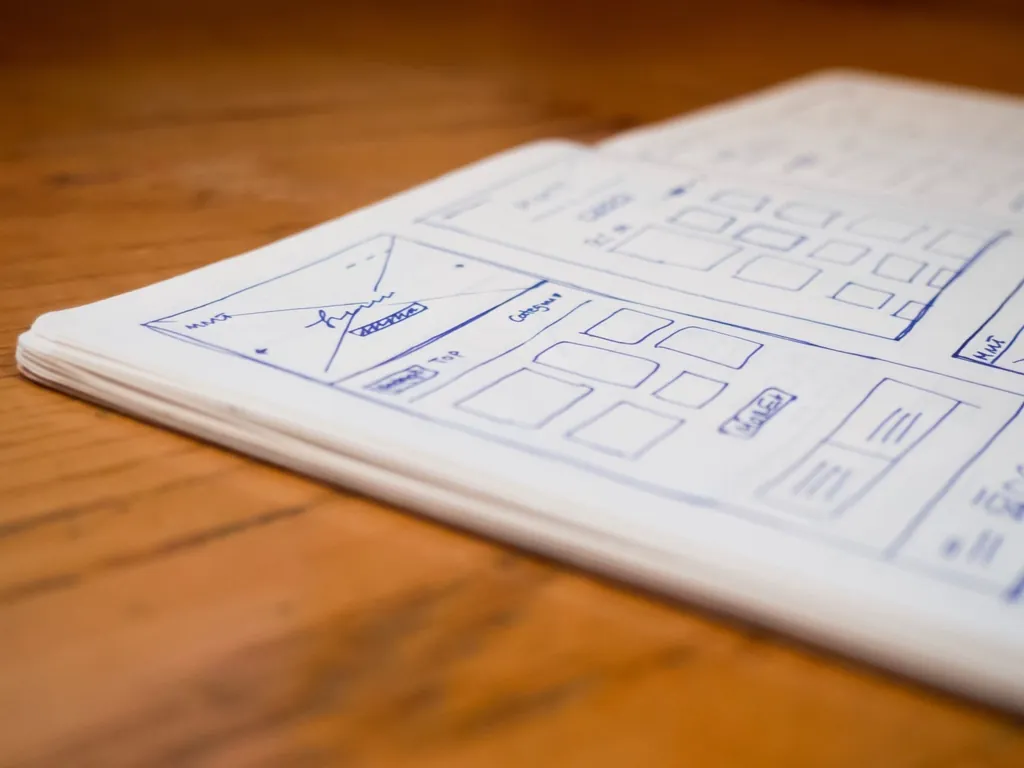
- Scope and functionality. The number of unique page templates matters more than the number of pages, and features such as booking, search, filtering, memberships or multiple languages add real time.
- Design approach. Customising a quality theme is far cheaper than a custom design built from user research, wireframes and a design system.
- Ecommerce complexity. Product count, variants, subscriptions, B2B pricing and integrations with inventory, ERP, point of sale or shipping systems all move the price.
- Who builds it and where. You, a freelancer, a small studio or an agency, and their local cost of living.
- Content, compliance and care. Copywriting, photography, accessibility, privacy and ongoing maintenance are often left out of the first quote.
Notice that page count is rarely the main driver. A 40-page site built from three templates can cost less than a 10-page site with ten unique layouts and custom animations.
How much does a website cost by type of site?
The ranges below are in US dollars for the initial build, excluding ongoing platform and hosting fees. "DIY" means building it yourself on a website builder or hosted platform, so the figure is mostly first-year subscriptions, a theme and a few apps.
These are estimates, not survey data. They reflect the quotes I have given and seen for clients in Australia, the US and Asia, and real projects can land outside them.
| Site type | Typical scope | DIY (first year) | Freelancer | Agency |
|---|---|---|---|---|
| Landing page | One page with a lead or contact form | US$100-400 | US$500-2,000 | US$2,000-6,000 |
| Small business website | 5-15 pages from a theme, forms, basic SEO | US$200-600 | US$1,500-5,000 | US$5,000-15,000 |
| Custom-designed business website | 10-40 pages, custom design, CMS, local SEO structure | Not realistic | US$4,000-12,000 | US$12,000-40,000 |
| Starter online store | Shopify or WooCommerce theme, up to about 100 products | US$500-1,500 | US$2,500-8,000 | US$8,000-25,000 |
| Custom ecommerce store | Custom theme, subscriptions, B2B, integrations | Not realistic | US$10,000-35,000 | US$30,000-100,000+ |
| Web app or headless build | Accounts, dashboards, APIs, custom logic | Not realistic | US$15,000-60,000+ | US$50,000-250,000+ |
Brochure and small business websites
Most local service businesses need five to fifteen pages: home, services, about, contact, location or service area pages and often a blog. A well-built WordPress site with a quality theme, fast hosting and local SEO foundations sits comfortably in the freelancer range. Most of the automotive and trade websites in my portfolio, including AIM Engine Centre, are this type of project: clear service pages, quote and booking forms, and pages structured for local search.
Online stores
A starter Shopify store with a paid theme, product setup, payments, shipping rules and a handful of apps is usually a few weeks of work. Custom theme sections, subscriptions, wholesale pricing or integrations with inventory and accounting systems push a store into the custom ecommerce bracket. WooCommerce builds land in similar build ranges but with different ongoing costs, which I compare in detail in Shopify vs WordPress and WooCommerce in 2026.
Custom web apps and headless builds
Customer portals, booking platforms, marketplaces and headless storefronts are priced by features and integrations, not pages. For these I recommend a paid discovery phase first, because a clear specification is the only way to get a fixed price that does not hide a large contingency.
How do web development prices differ by region?
Rates follow local labour costs. In the US, the Bureau of Labor Statistics reports a median annual wage for web developers of US$92,650 as of May 2025. That is employee pay; agencies bill well above it to cover project management, design, sales, tools and profit.

The table below shows my estimated typical ranges in local currency, based on market rates I see when quoting and collaborating across these regions.
| Region | Freelancer hourly | Agency hourly | Small business site | Starter online store |
|---|---|---|---|---|
| United States | US$50-150 | US$100-250 | US$3,000-15,000 | US$5,000-25,000 |
| Australia | A$70-150 | A$120-220 | A$3,000-15,000 | A$5,000-25,000 |
| UK and Western Europe | GBP or EUR 40-100 | GBP or EUR 80-180 | GBP or EUR 2,500-12,000 | GBP or EUR 4,000-20,000 |
| Philippines and Southeast Asia (remote) | US$15-50 | US$25-60 | US$800-4,000 | US$1,500-8,000 |
Lower rates in the Philippines reflect cost of living, not lower skill, and the time zone works well for Australian businesses: Manila is two to three hours behind Sydney depending on daylight saving. I cover rates, communication and what to check before you hire in hiring a web developer from the Philippines.
The cheapest hourly rate is rarely the cheapest project. Slow communication, vague estimates and rework can erase a low rate quickly, so compare the total price for a clearly defined scope.
What do Shopify, WordPress and website builders charge?
Platform fees are the part of your budget you can verify yourself, so here are the official numbers as of October 2026.
Shopify plans
| Plan | US, billed monthly | US, billed yearly (per month) | Australia, billed monthly | Australia, billed yearly (per month) |
|---|---|---|---|---|
| Basic | US$39 | US$29 | A$56 | A$42 |
| Grow | US$105 | US$79 | A$149 | A$114 |
| Advanced | US$399 | US$299 | A$575 | A$431 |
| Plus | From US$2,300 | Quote based | From A$3,700 | Quote based |
Prices are from Shopify's US pricing page and Australian pricing page; some countries, including the Philippines, are shown in local currency. If you use a third-party payment provider instead of Shopify Payments, Shopify adds a transaction fee of 2% on Basic, 1% on Grow and 0.6% on Advanced. Paid themes are a one-time purchase, while apps are usually monthly subscriptions that add up.
WordPress and WooCommerce
WordPress and WooCommerce are free open source software. You pay for hosting, a premium theme if you want one, paid plugins or extensions and maintenance. SSL certificates are free through Let's Encrypt and included by most good hosts, so nobody should charge you hundreds of dollars a year for one.
Wix and Squarespace
Wix lists paid plans from roughly US$17 to US$159 per month on yearly billing, plus a free plan with Wix branding, on its plans page; prices vary by location. Squarespace's Basic plan adds a 2% fee on online store sales, which disappears on Core and above. Both are reasonable for simple sites, with less flexibility as you grow.
What ongoing costs should you budget for?
The launch is only the first invoice. These are typical yearly ranges; platform prices are from the official pages above and everything else is my estimate.

| Item | Typical yearly range | Notes |
|---|---|---|
| Domain name | US$10-30 | Typical .com retail; Verisign's wholesale .com price rises in November 2026 |
| WordPress hosting | US$60-300 shared, US$300-1,500 managed | Managed hosting adds backups, staging and better support |
| Shopify subscription | US$348-4,788 | Basic billed yearly up to Advanced billed monthly |
| SSL certificate | US$0 | Free from Let's Encrypt or included by hosts and Shopify |
| Apps, plugins and renewals | US$100-3,000+ | Grows quietly as features are added |
| Maintenance and support | US$600-6,000 | Updates, backups, monitoring and small changes |
| Business email | Per user, per month | Google Workspace or Microsoft 365 |
A rule of thumb I use with clients: set aside 15-25% of the initial build budget every year for fees, maintenance and improvements, before any advertising or SEO spend.
What hidden costs blow website budgets?
Most budget overruns I see come from work nobody priced at the start:
- Content. Copywriting, product descriptions and service page text take longer than anyone expects.
- Photography and media. Stock images rarely sell a local business or a product as well as original photos.
- Product data and migration. Cleaning and importing hundreds of products, customers and orders from an old platform.
- Redirects and SEO protection. Mapping old URLs to new ones so a redesign does not wipe out search traffic.
- Accessibility and legal requirements. If you sell to EU consumers, the European Accessibility Act now applies, and privacy and cookie consent rules apply in many markets.
- Integrations. Connecting inventory, accounting, CRM, shipping or point of sale systems.
- App creep and payment fees. Monthly subscriptions and transaction fees that compound over time.
- Change requests. New ideas halfway through the build that were not in the original scope.
Is a cheap website or an AI builder good enough?
Sometimes, yes. A DIY builder or an AI site generator is a sensible way to test an idea, launch an event page or get a simple portfolio online in a weekend. The limits show up when the site needs to rank, convert, integrate with other systems or be maintained by someone else.
Typical problems with very cheap or auto-generated sites include slow pages, weak SEO structure, accessibility gaps and code nobody wants to touch later. I compare what AI tools can and cannot do in vibe coding vs hiring a web developer.
The right budget is the one that matches what the site has to earn or save. A site that books two extra jobs a week justifies a very different investment from a digital business card.
How to get an accurate website quote
The more specific your brief, the closer your quotes will be to each other and to the final invoice. Send every developer the same information:
- Goals. What the site must achieve, such as leads, bookings or online sales, and how you will measure it.
- Page list or sitemap. Even a rough list helps more than a page count.
- Must-have and nice-to-have features. Split them clearly so quotes can be phased.
- Examples. Two or three sites you like and what specifically you like about them.
- Content status. Whether text, photos and product data are ready or need to be created.
- Integrations. Every system the site must connect to.
- Budget range and deadline. Sharing a range saves everyone time and gets you options that fit.
Then ask each provider what is included: hosting, training, a warranty period for bug fixes, who owns the domain, code and accounts, and what ongoing support costs. Compare quotes line by line, not just the total.
Frequently asked questions
How much does a basic small business website cost?
In my estimate, a basic five to fifteen page business site built by a freelancer costs around US$1,500 to US$5,000 in 2026, or A$3,000 to A$15,000 in Australia across freelancers and small studios. Agencies typically charge more. Building it yourself on a website builder can cost a few hundred dollars a year, but takes your time.
How much does it cost to build a Shopify store?
A starter Shopify store with a paid theme, product setup and payments typically costs US$2,500 to US$8,000 with a freelancer, in my estimate, plus the Shopify plan, which starts at US$39 a month or US$29 billed yearly. Custom themes, subscriptions, wholesale features and integrations can push a build past US$10,000.
Why do website quotes vary so much?
Quotes differ because developers assume different scopes, design approaches and levels of support, and because rates follow local labour costs. One quote may include copywriting, SEO setup and training while another covers only the theme setup. Sending every provider the same detailed brief is the best way to get prices you can compare fairly.
How much should I budget for maintenance each year?
As a rule of thumb, set aside 15-25% of the initial build budget each year for platform fees, hosting, apps, updates and small improvements. A simple WordPress site might need a few hundred dollars a year, while a busy online store with paid apps and regular changes can need several thousand. Marketing and SEO are extra.
Plan your budget and get a clear quote
Price follows scope, so start with what the site needs to achieve, then match the build approach and the team to that goal. Use the ranges above as a sanity check, not a promise, and always compare quotes for the same written scope.
If you want a clear, itemised quote for a WordPress site, Shopify store or custom web app, tell me about your project through my contact form or browse my case studies to see what similar builds look like.